
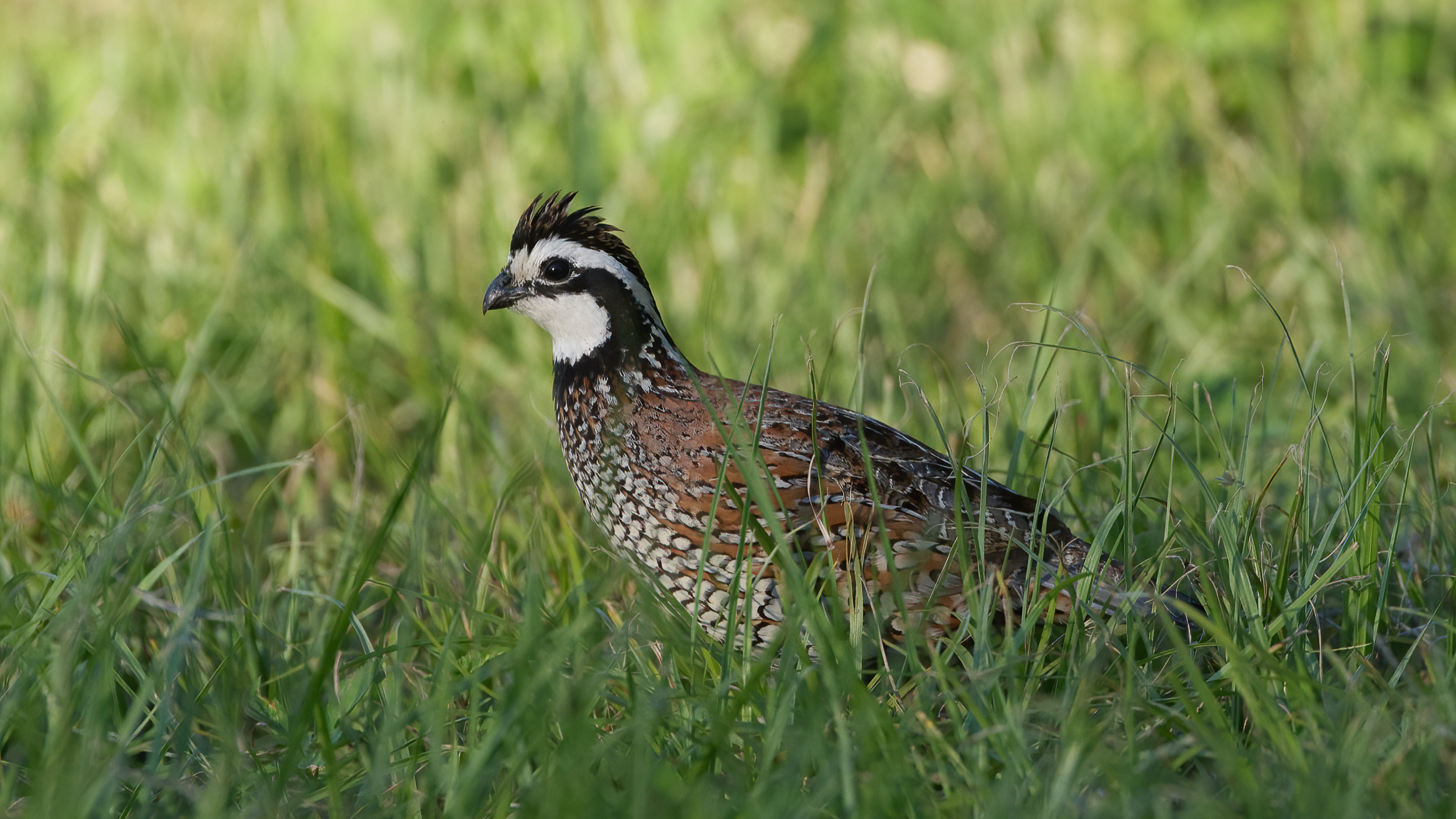
Recently, a Catskill Center staff member at Thorn Preserve stopped and listened as a familiar but unexpected sound drifted across the meadow: the distinctive call of a northern bobwhite. The bird was never seen, but its presence was unmistakable. More remarkable still, it marked the first record of the species at the preserve in more than a decade.
To many people, it may seem like a small moment. A single bird calling from somewhere beyond view. But for those who care for places like Thorn Preserve, it was something much larger. It was a reminder that ecological restoration is measured not only in acres managed and invasive species removed, but in the return of life itself.
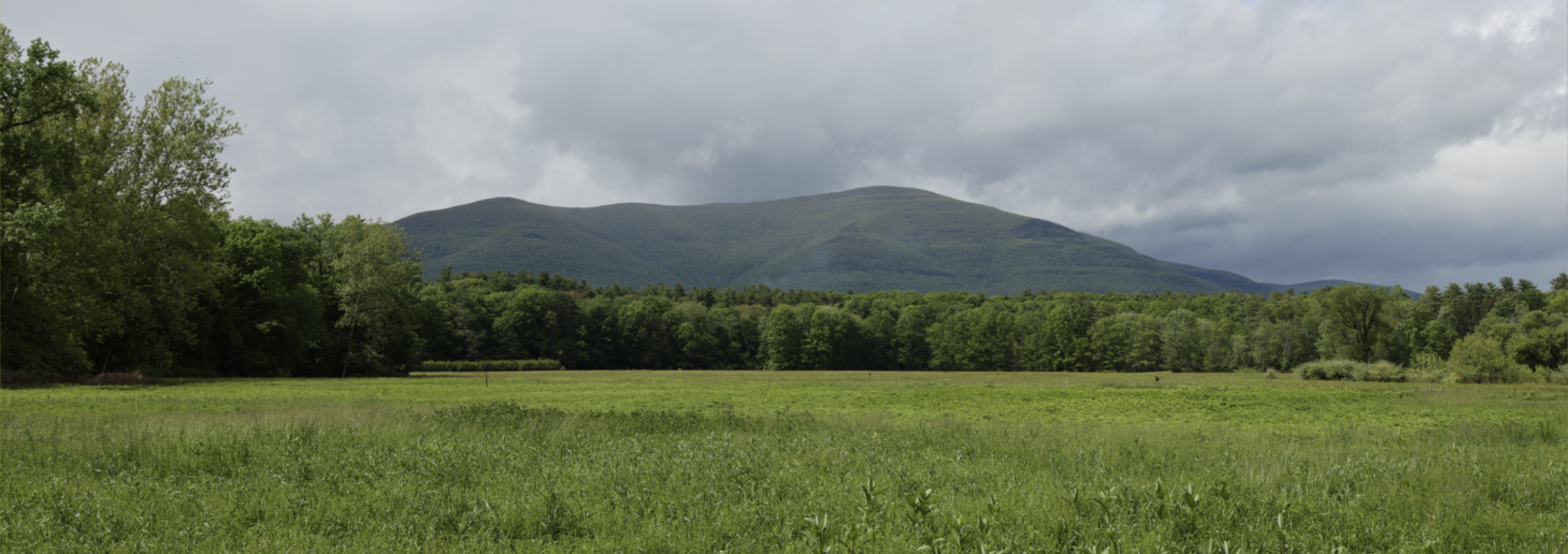
Over the past year, Thorn Preserve has entered a new chapter of stewardship. Through a renewed focus on ecological management, our stewardship decisions have increasingly been guided by the needs of the plants and wildlife that depend on healthy grassland habitat. The results have been gradual, often subtle, and sometimes easy to overlook. Yet nature has a way of revealing progress when conditions are right.
The call of a bobwhite joins a growing list of encouraging signs at Thorn. Alongside a breeding population of bobolinks, eastern meadowlarks have also been observed using the preserve in recent years. Like the bobwhite, bobolinks and meadowlarks are among a group of birds experiencing significant declines across much of their range as development, fragmentation, and changing land use patterns continue to shrink and replace the specialized habitats they depend upon.
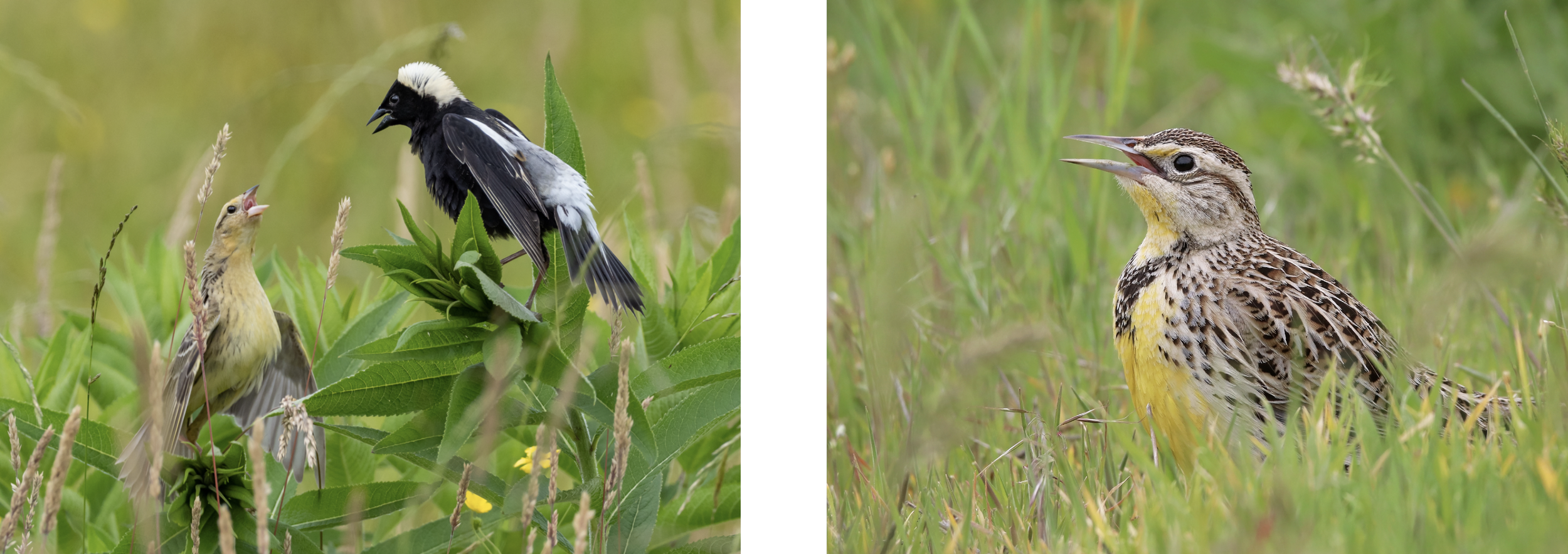
The presence of these birds underscores a significant reality: grasslands are among the most threatened ecosystems in the Northeast. In New York alone, grassland bird populations have declined by an estimated 80 to 99 percent since the 1960s, making remaining strongholds and restoration efforts increasingly important for their future.
However, the hopeful return of the bobwhite does not mean the work is finished. In many ways, it reinforces how much work remains. But it does offer something encouraging, a sign that restoration efforts are creating conditions where vulnerable species can once again find refuge.
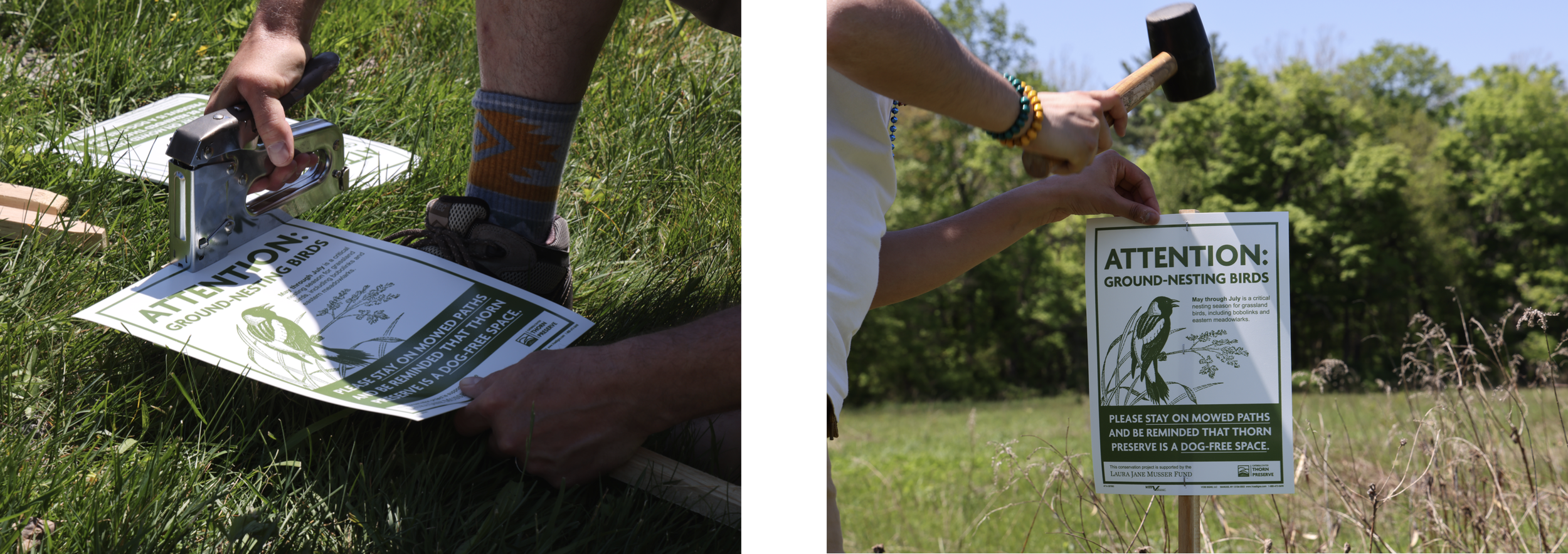
For a brief moment, a clear, two-note whistle transformed the preserve. It connected the present to a landscape that once supported these birds more abundantly and offered a glimpse of what the future could hold if we continue investing in the ecological health of places like Thorn, while ensuring people remain connected to and inspired by these unique landscapes.
As you explore places like Thorn Preserve, take the time to slow down, look closely, and listen carefully. In doing so, you may discover not only the wildlife these landscapes sustain, but also a deeper understanding of why they are worth protecting.
Invest in the Future of the Catskills
The Catskill Center’s role as an accredited land trust comes with a lasting responsibility: safeguarding protected lands, caring for our preserves, and upholding vital conservation easements. This long-term commitment helps maintain rich, biodiverse habitat, cherished scenic resources, and public access for generations. Stewardship of these lands requires time, expertise, and sustained investment.
Your gift today helps ensure these places remain healthy, open, and cared for well into the future. We also invite those planning ahead to consider a legacy gift to help protect the Catskills for those who will inherit them next.
