
Keeping Pace With Growing Visitation in the Catskill Park
Over the past few weeks, the Catskill Center has experienced firsthand what growing visitation means for the Catskill Park.
As fall foliage reached its peak and drew thousands of people to the region, some of the Catskills’ most popular destinations saw especially high visitation. On Saturday, October 10, Catskill Stewards counted 3,346 visitors at Kaaterskill Falls, the highest single-day visitor count our program has ever recorded at the site. The following week, the Catskills Visitor Center recorded both its highest weekly visitation and busiest single day to date, with visitors from more than 20 states passing through its doors.
These numbers tell a larger story. More people are coming to experience the Catskills, and at some of the Park’s most popular destinations, that use is becoming increasingly concentrated. On the ground, that can mean crowded parking areas, greater demands on trails and natural resources, increased need for visitor information and services, and added pressure on surrounding communities.
Recognizing those challenges is not about discouraging people from visiting the Catskills. It is about making sure the Catskill Park is prepared to welcome visitors while protecting the natural resources and communities that make this region so special.
The need for management that can keep pace with changing use was a central message of the Catskill Strategic Planning Advisory Group (CAG) Final Report, which called for the Catskill Park to be managed more intentionally as a connected system. Although responsibility for the Park is shared among numerous state agencies, municipalities, and organizations, visitors experience one Catskill Park. Managing it effectively requires an integrated approach, with natural resource protection, visitor education, transportation, infrastructure, and community needs considered together.
New York State has begun moving in this direction through Visitor Use Management (VUM) planning, including ongoing assessment and analysis of visitor use in Kaaterskill Clove. This approach uses data, monitoring, and clearly defined goals to better understand changing conditions and determine how management should respond. Rather than waiting for problems to become more difficult to address, it offers a way to plan for the level and patterns of use the Catskills are experiencing today.
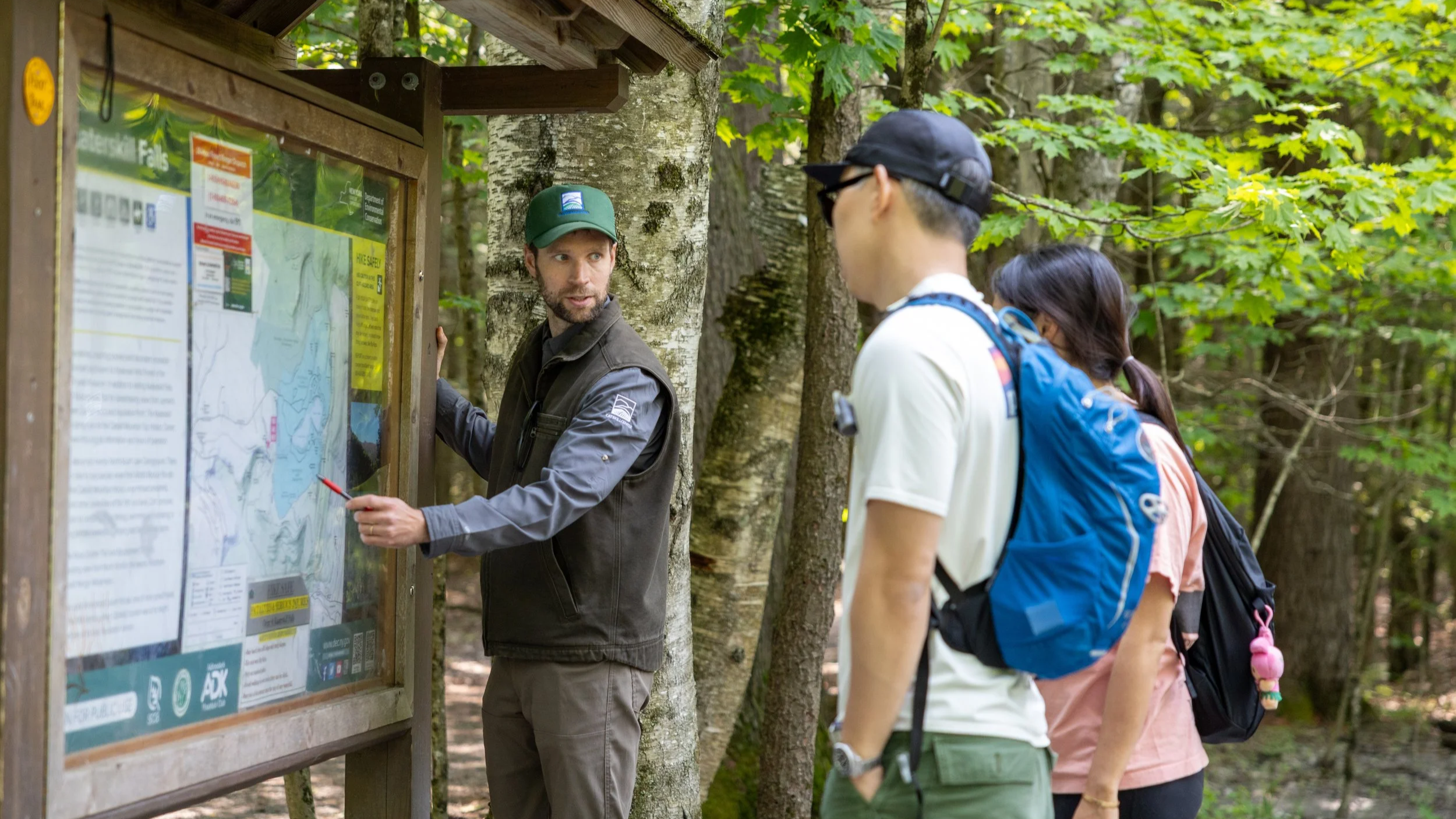
The Catskill Center encounters these changing patterns from several perspectives. Catskill Stewards provide an on-the-ground presence at some of the Park’s busiest destinations, helping visitors navigate parking, safety, and responsible recreation. At the Catskills Visitor Center, staff help visitors make informed choices about where and how to experience the region, offering recommendations that can lessen impacts and help avoid adding pressure to already heavily used destinations. Through our advocacy work, we continue to push for greater investment in Forest Preserve stewardship, planning, visitor services, and the staffing and resources needed to manage the Catskill Park effectively.
This fall’s record numbers make the need increasingly clear. Growing interest in the Catskills is asking more of the places people visit and the systems that support them. Keeping pace means anticipating those pressures, understanding where and how they are occurring, and investing in the people, planning, infrastructure, and science needed to protect natural resources, respond to changing conditions, and provide a safe and welcoming experience for visitors.
The Catskills already have a framework for more coordinated, active management. What is needed now is the sustained investment to move that work forward across the Catskill Park, protecting the landscape while ensuring that people can continue to experience and care about it for generations to come.
Invest in the Future of the Catskills
Protecting the Catskills takes long-term commitment. Through conservation, stewardship, science, advocacy, education, and visitor services, the Catskill Center works every day to care for this remarkable region and help people experience it responsibly. Sustaining this work requires time, expertise, strong partnerships, and continued investment.
Your gift today helps ensure the Catskills remain healthy, open, and cared for well into the future. We also invite those planning ahead to consider a legacy gift and make their commitment to the Catskills part of the legacy they leave behind.
