
CATSKILL STEWARDS
FOSTERING SAFE, RESPECTFUL, AND RESPONSIBLE USE OF THE CATSKILLS

ON THE GROUND WHERE IT MATTERS MOST
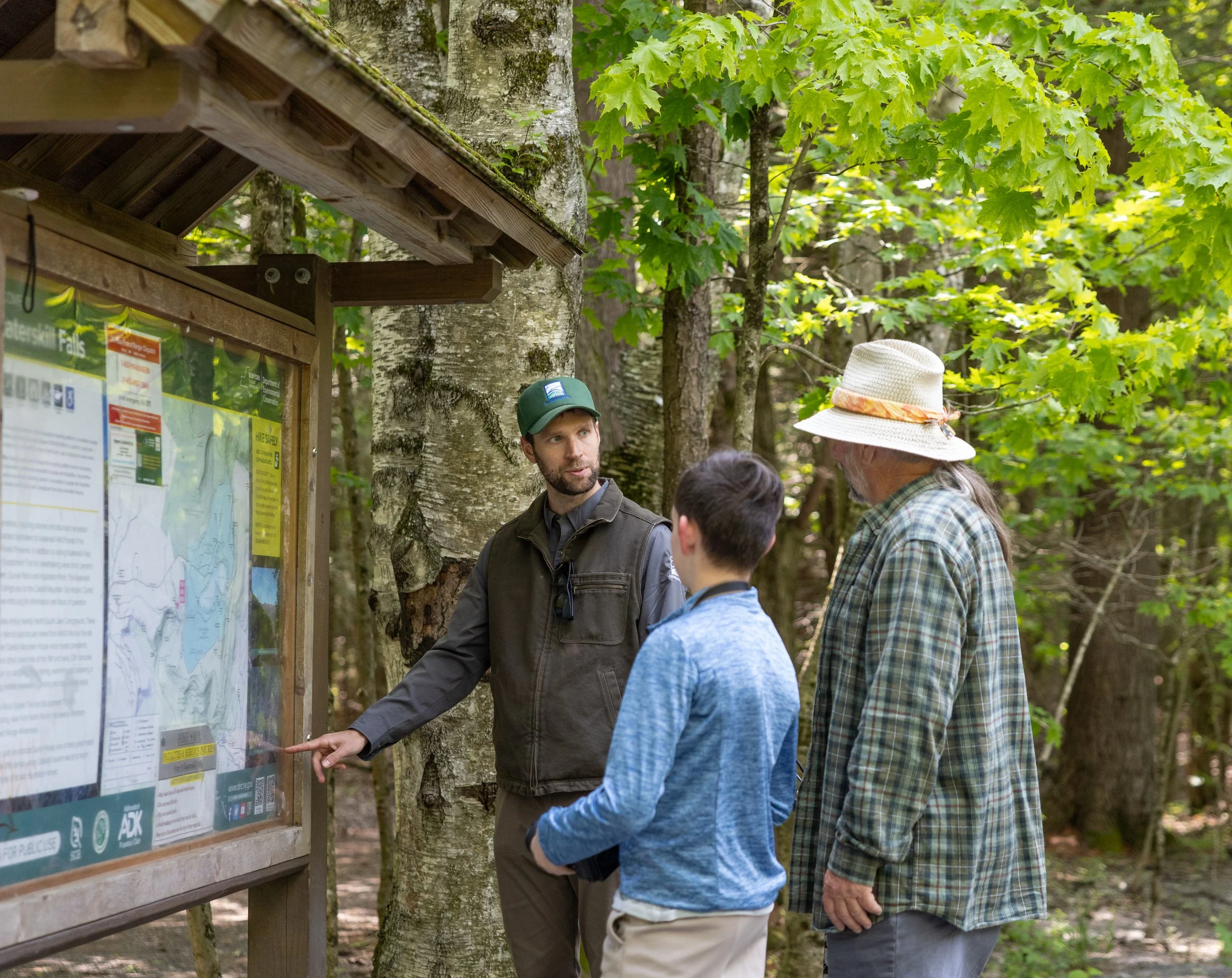
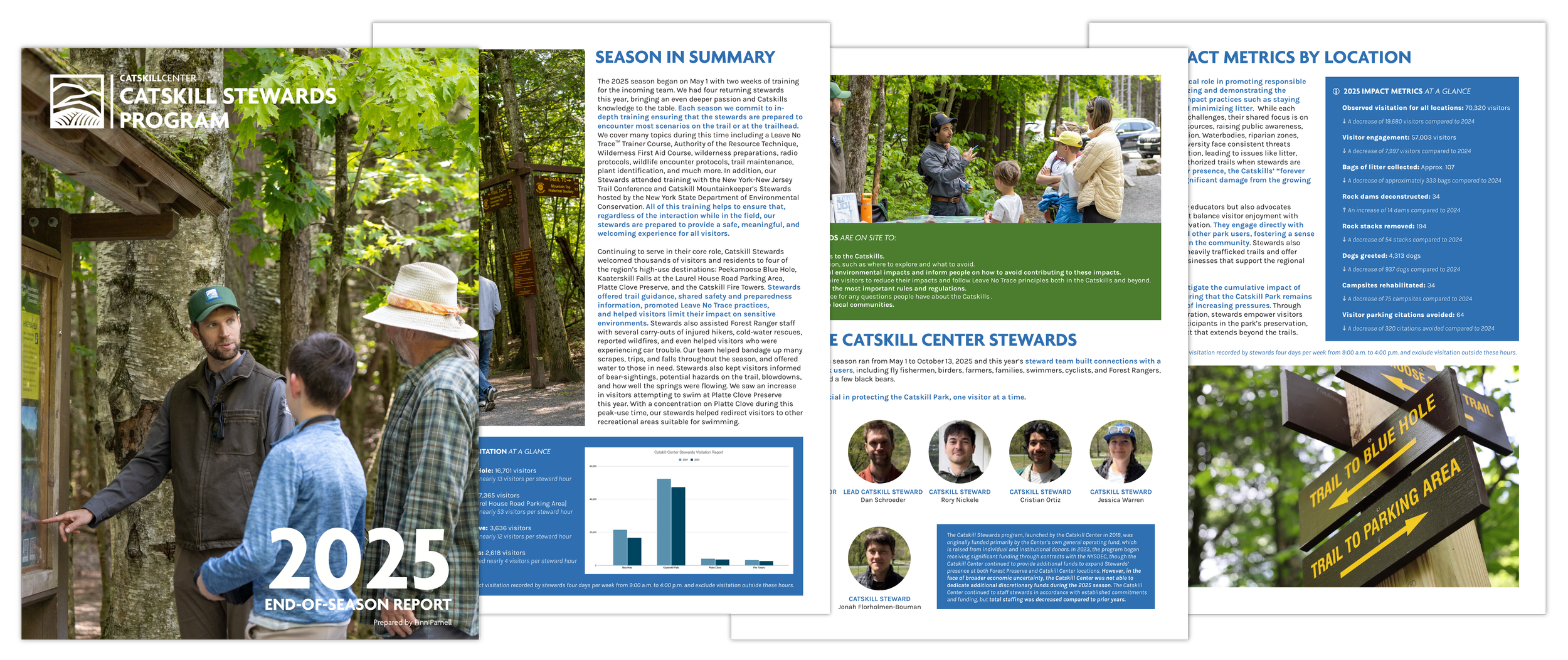
Established in 2018, the Catskill Stewards Program has grown into a core component of visitor engagement and resource protection in the Catskill Park. Today, Stewards are positioned at five of the region’s highest-use destinations and at six Catskill Park Fire Towers, where they serve as a consistent, on-the-ground presence focused on promoting responsible recreation. All Stewards are trained Leave No Trace educators and certified in Wilderness First Aid, providing visitors with informed guidance, safety awareness, and a welcoming first point of contact as they begin their experience in the Catskills.

618,900
Catskill Center Stewards have engaged more than 618,900 visitors, providing safety guidance, trail information, and education that supports responsible recreation across the Catskills.

2,287
Catskill Center Stewards have collected 2,287 bags of trash, helping reduce impacts at high-use destinations and protect waterways, wildlife habitat, and public lands.

386
Catskill Center Stewards have supported the rehabilitation of 386 trails, contributing to safer access, reduced erosion, and healthier, more resilient landscapes throughout the region.
STEWARDSHIP THROUGH EDUCATION
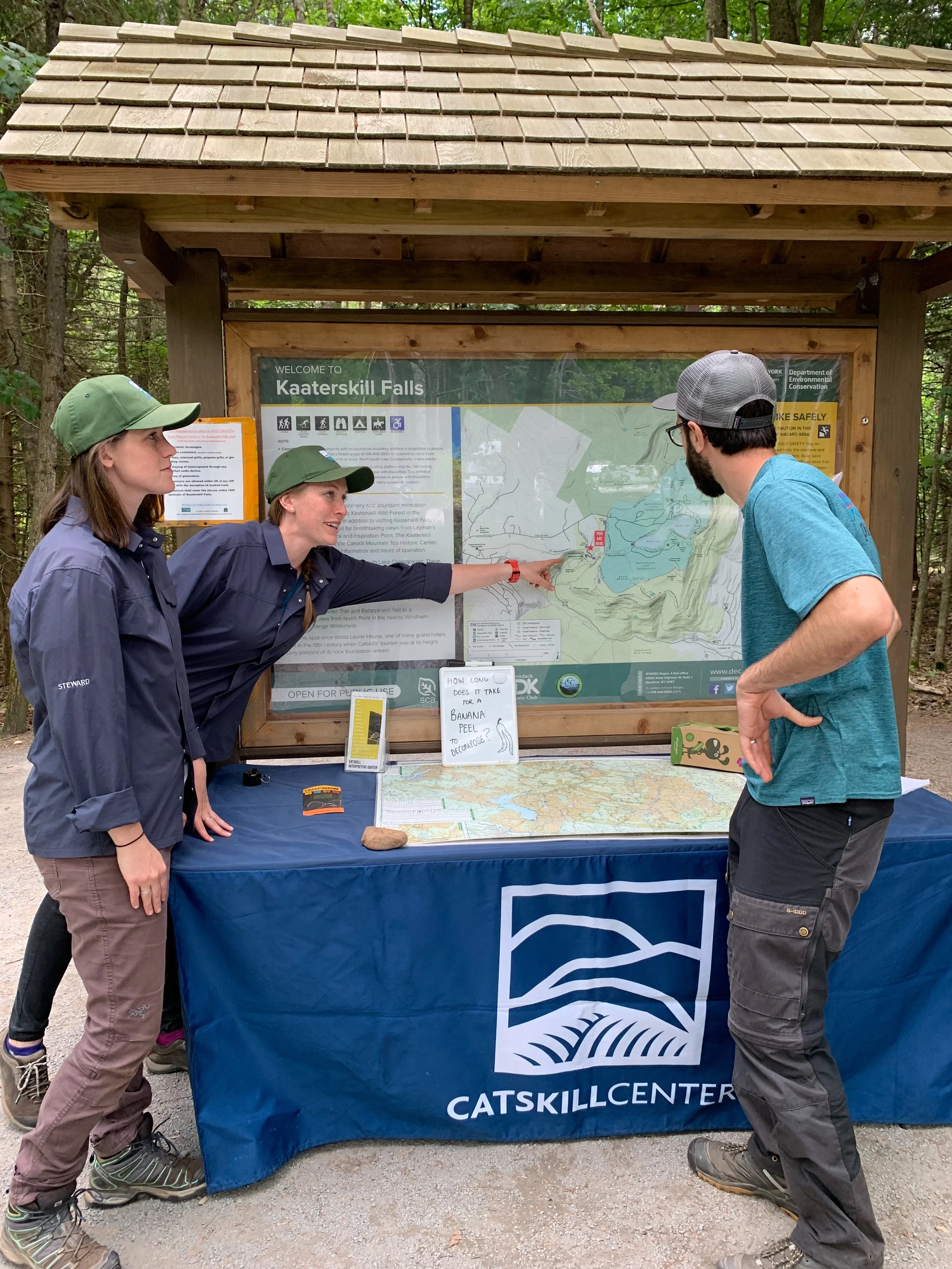
Catskill Stewards play a critical role in shaping how people experience and care for the Catskill Park. By engaging visitors at trailheads, popular destinations, and fire towers, Stewards provide timely, place-based guidance that helps people understand how their individual choices affect trails, waterways, wildlife habitat, and surrounding communities. Their work centers on proactive education, encouraging visitors to stay on designated trails, minimize waste, protect sensitive areas, and recreate in ways that reduce long-term impacts on the landscape.
As visitation to the Catskills continues to rise, the presence of Stewards has proven essential. Data and direct observations consistently show that when Stewards are not present, high-use sites experience increased litter, off-trail travel, parking issues, and resource damage that can degrade water quality and fragile ecosystems. A visible, knowledgeable stewardship presence helps prevent these impacts before they occur and fosters a culture of respect and accountability among visitors.
Ultimately, the Catskill Stewards program reinforces a shared responsibility for caring for public lands. By equipping visitors with the knowledge and context they need to make informed decisions, Stewards help ensure that the Catskills remain healthy, resilient, and accessible today and for generations to come.
WHY STEWARDSHIP MATTERS
With continued awareness of the evolving impacts facing the Catskill Park, Catskill Stewards focus on providing timely, place-based education to a growing number of visitors, supporting shared responsibility for preserving these public lands for present and future use.
WHERE TO LOOK FOR CATSKILL STEWARDS
PEEKAMOOSE BLUE HOLE
Since 2018
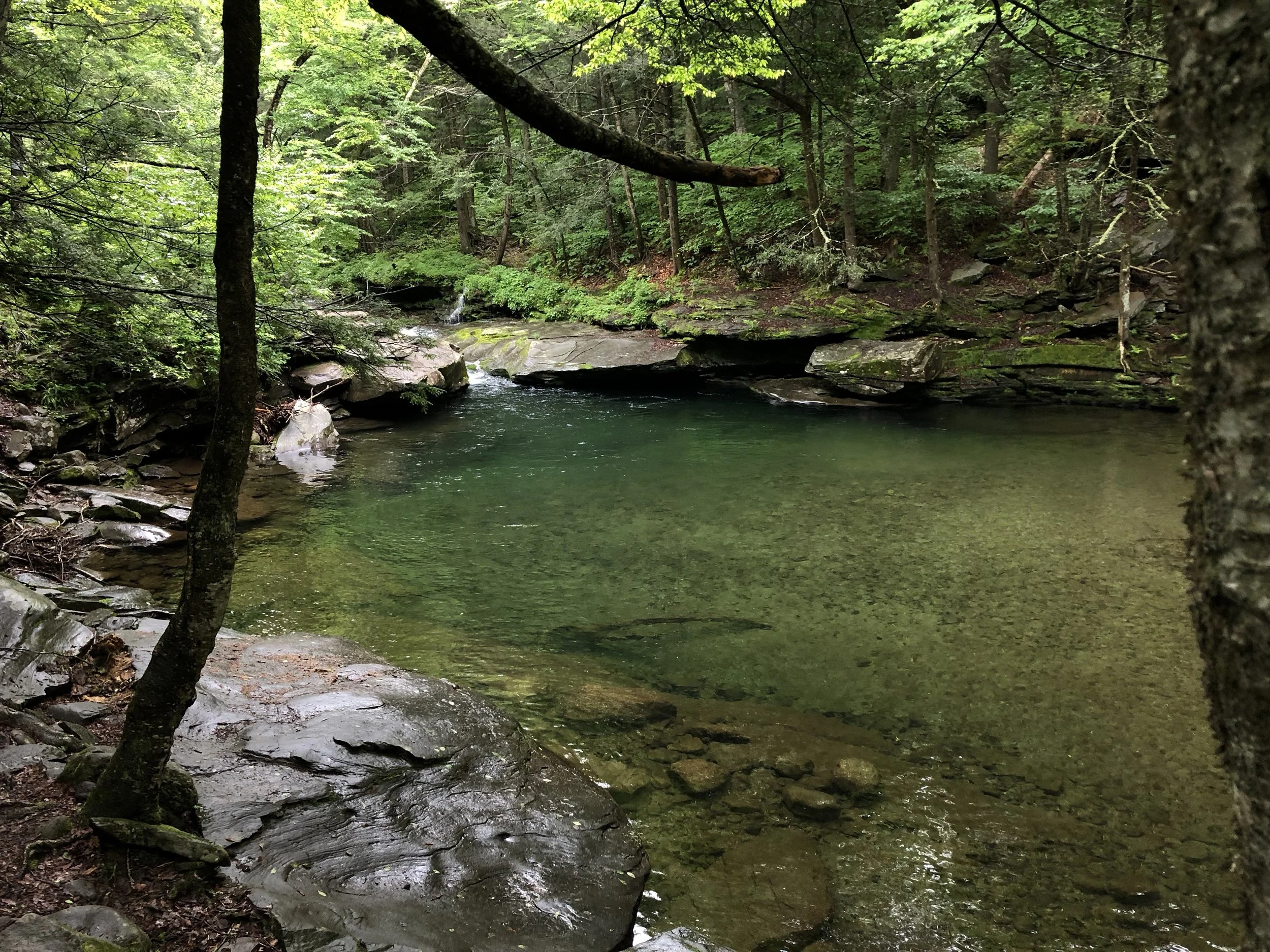
Due in part to widespread online exposure, Peekamoose Blue Hole regularly sees high visitation, with peak days bringing hundreds to more than a thousand people to a single site. This level of use places intense pressure on water quality, shoreline vegetation, and surrounding forest, with litter, human waste, and unsafe behavior posing ongoing challenges. Catskill Stewards play a critical role by educating visitors about site-specific regulations, checking day-use permits, encouraging responsible recreation, and helping prevent impacts that threaten both public health and the long-term integrity of this fragile swimming area.
THE DEVIL’S PATH
Since 2021
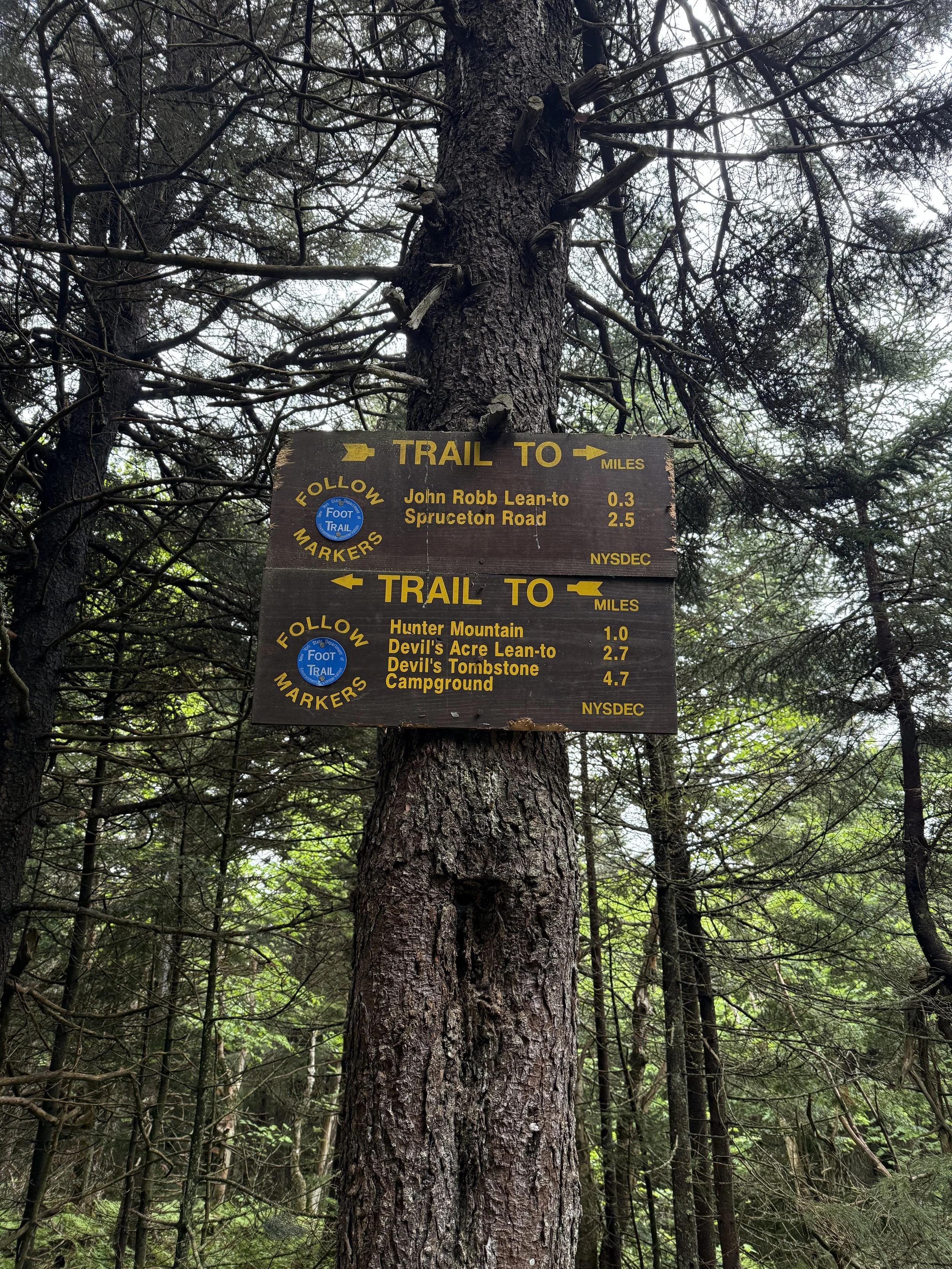
The Devil’s Path is a 24.2-mile ridgeline trail crossing five major peaks and is widely regarded as the most challenging hike in the Catskills. Its steep ascents, rugged terrain, and long distances attract experienced hikers but also put unprepared visitors at risk of exhaustion, injury, and wildlife conflicts. A Catskill Center Ridge Runner Steward provides vital education on preparedness, responsible camping, and bear safety, while also offering directions, assessing hiker readiness, and serving as an important safety presence along one of the region’s most demanding trails.
KAATERSKILL FALLS
Since 2019
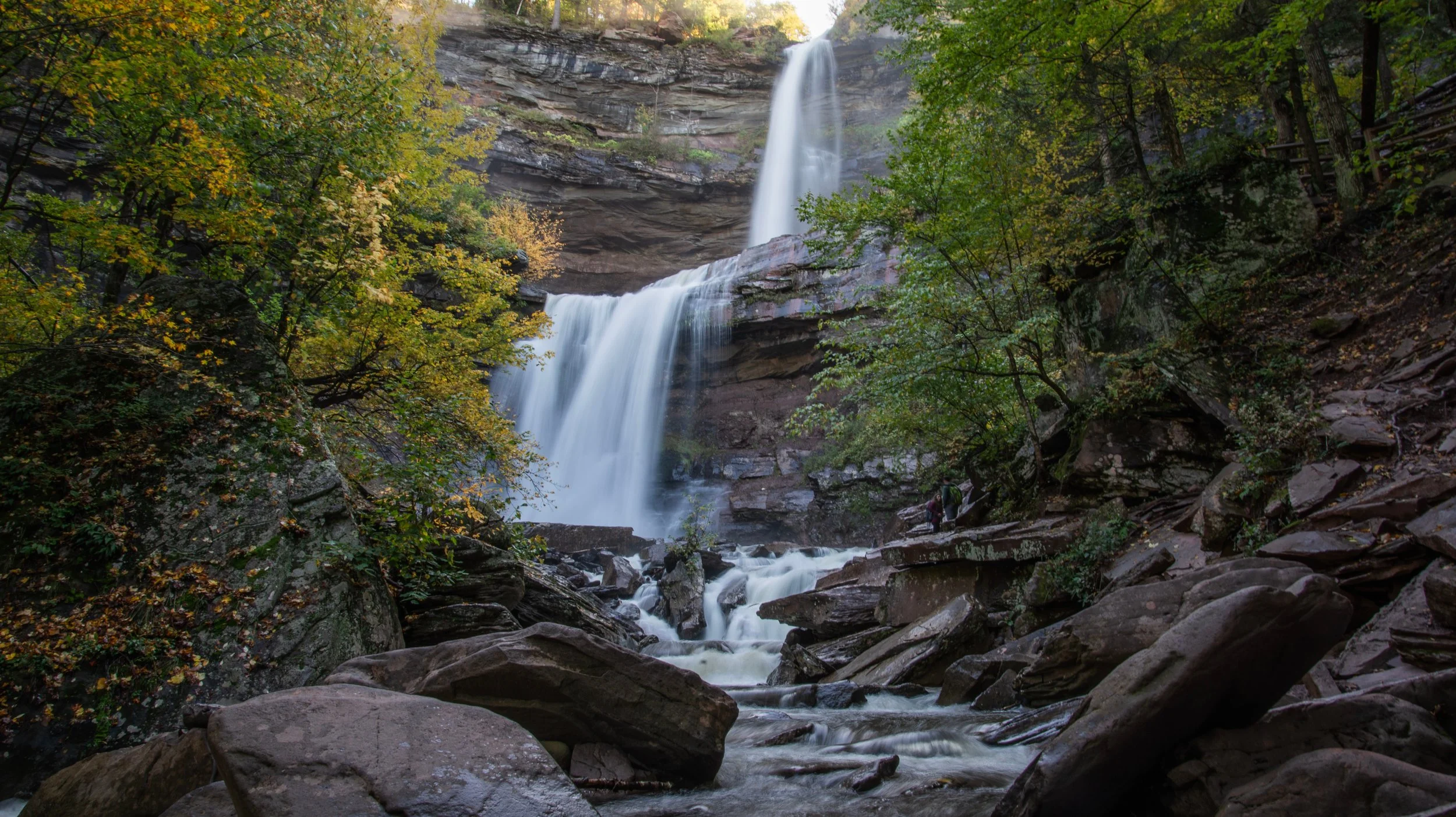
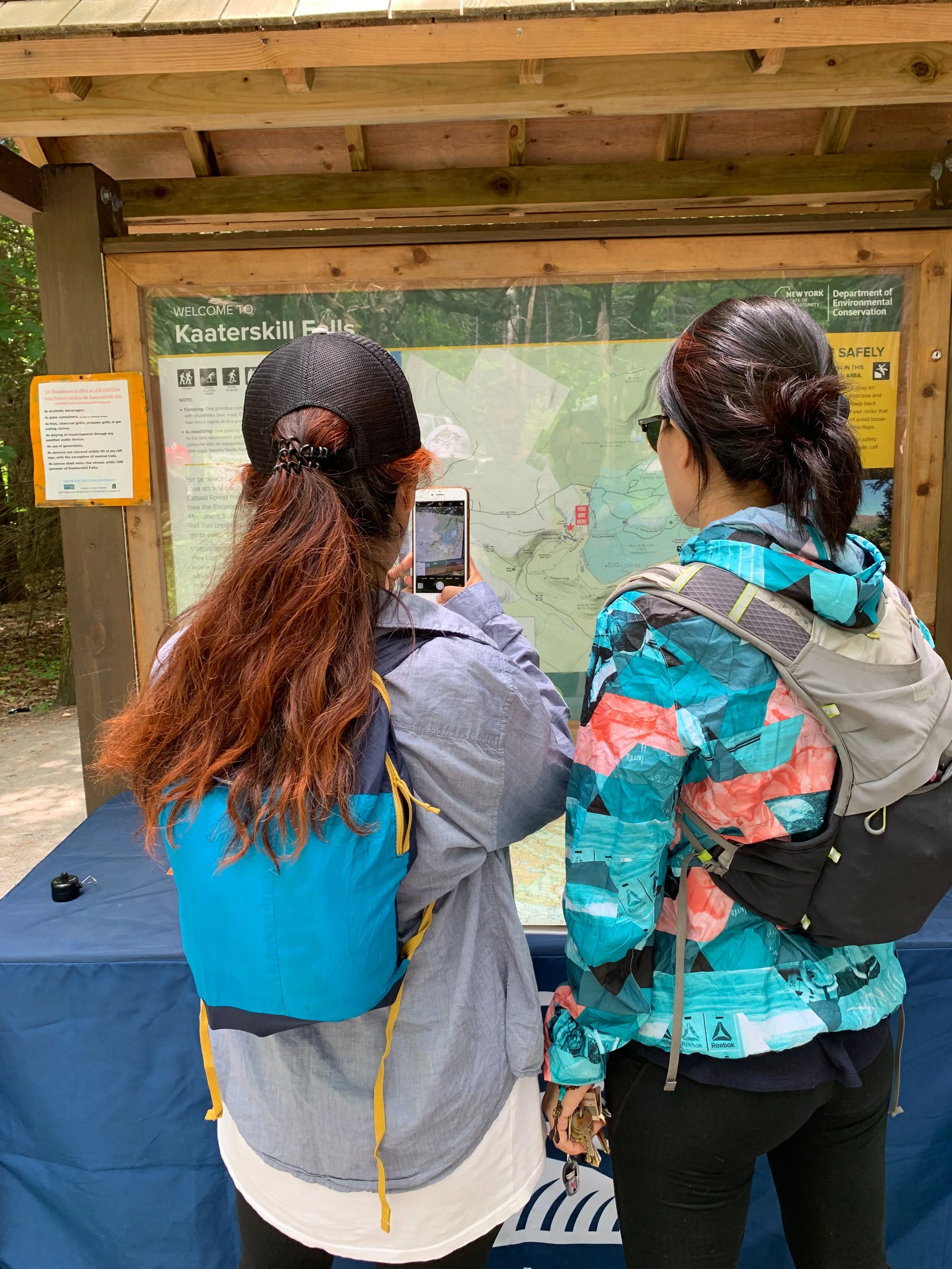
At 260 feet tall, Kaaterskill Falls is New York State’s tallest two-tier waterfall and one of the most heavily visited natural attractions in the Catskills, drawing thousands of visitors on busy weekends. While trail improvements have helped accommodate high use, steep cliffs, slippery rock surfaces, and off-trail travel continue to create serious safety risks and environmental impacts. Catskill Stewards provide on-the-ground education about staying on designated trails, avoiding hazardous areas, and coexisting safely with wildlife, helping visitors enjoy the site while reducing injuries, rescues, and damage to sensitive terrain and biodiversity.
CATSKILL FIRE TOWERS
Since 2021
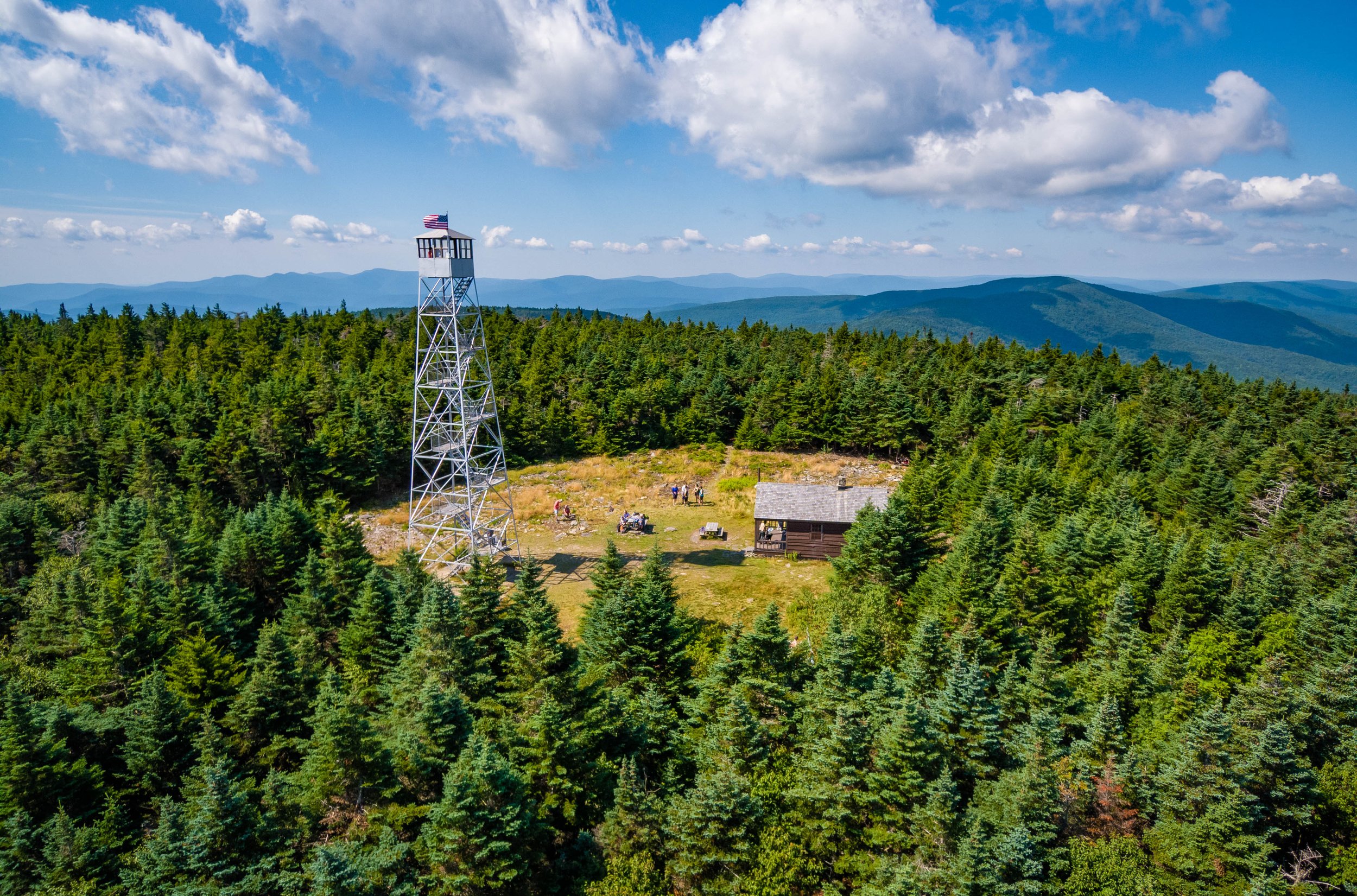
As part of the Catskill Fire Tower Project, Catskill Fire Tower Stewards rotate among six historic towers that attract thousands of visitors each year, particularly through the Catskills Fire Tower Challenge. These sites combine steep hikes, elevated structures, and heavy visitation, creating both safety and stewardship considerations. Stewards help manage visitor flow, promote safe tower use, and provide education on trail etiquette, preparedness, Leave No Trace principles, and historical significance, ensuring these iconic landmarks remain welcoming, accessible, and protected for future generations.
PLATTE CLOVE PRESERVE
Since 2019
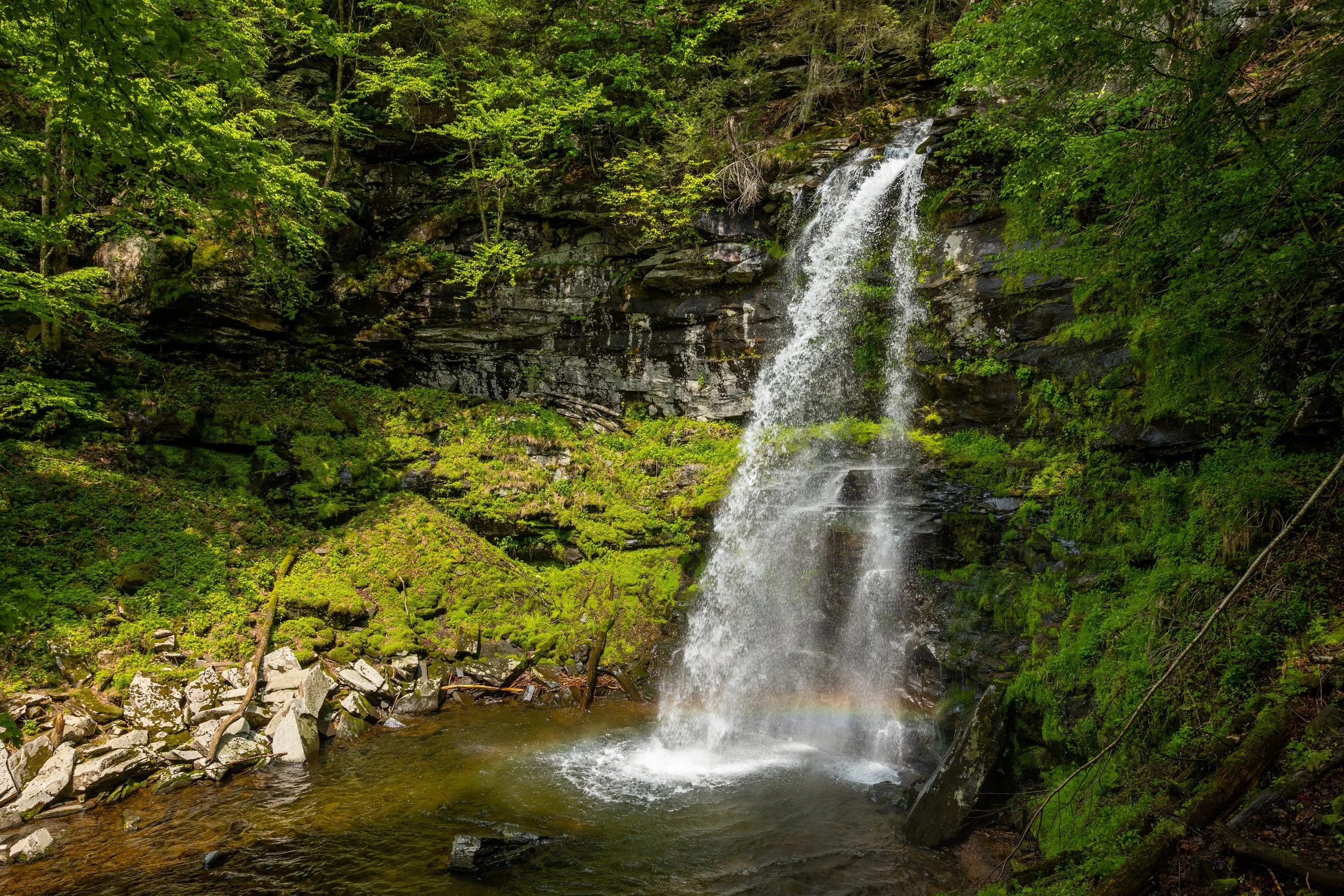
The Catskill Center’s Platte Clove Preserve is a dramatic landscape of cliffs, waterfalls, and scenic viewpoints that has inspired artists and visitors for generations. Its rugged terrain and popularity with hikers and climbers also make it one of the most challenging natural areas in the Catskills, with narrow trails, steep drop-offs, and rapidly changing conditions. Stewards are essential here to orient visitors, explain preserve rules, provide trail guidance, and clearly communicate the very real risks of recreating in the area, helping prevent accidents while protecting a landscape under constant recreational pressure.
THORN PRESERVE
Since 2024
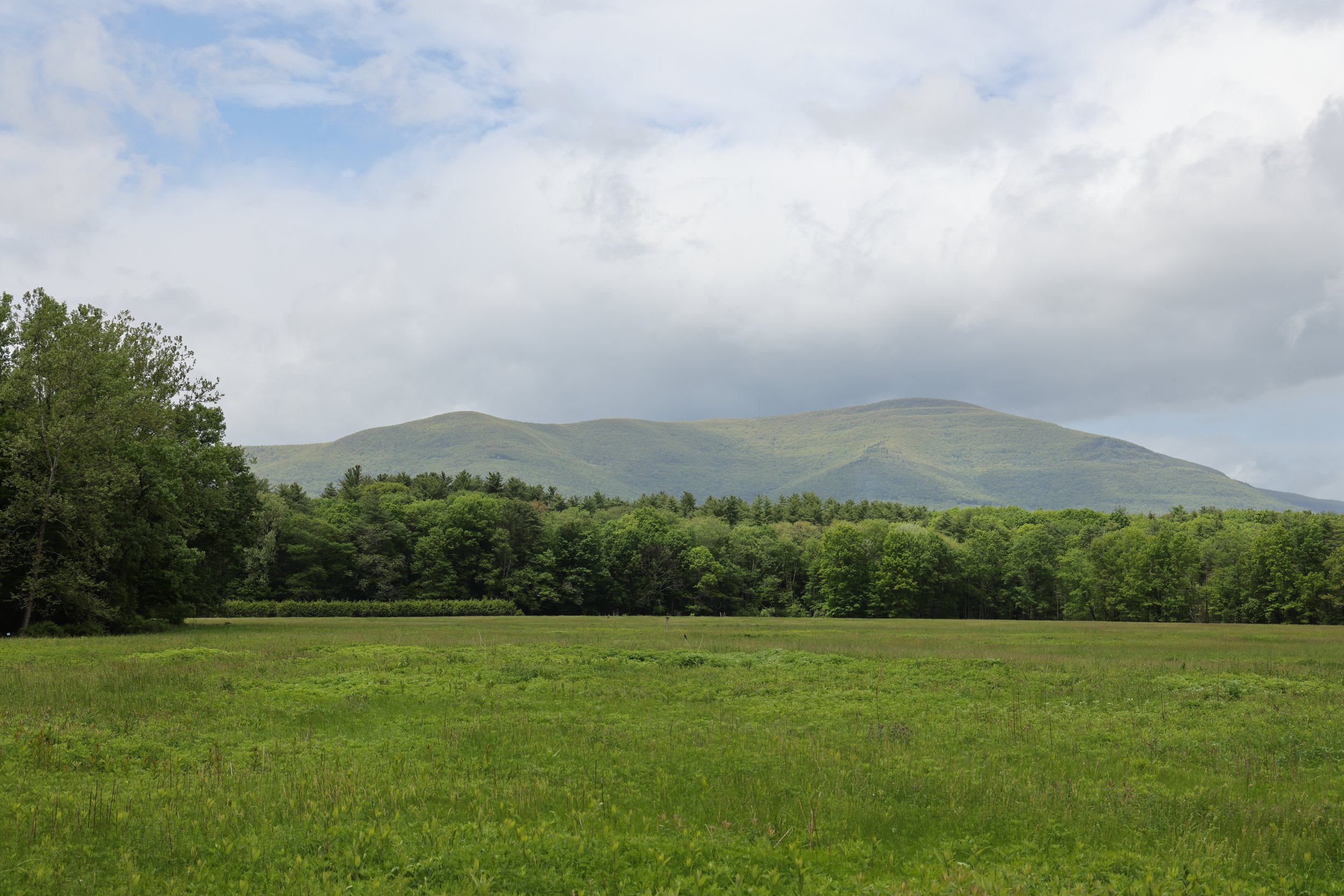
Thorn Preserve encompasses 60 acres of grassland, riparian forest, and wetlands. This ecologically sensitive landscape supports pollinators, ground-nesting birds, and recovering plant communities that are especially vulnerable to disturbance. To support ecological recovery and protect wildlife, the preserve is now dog-free. Catskill Stewards help visitors understand the importance of this policy, provide guidance on use, and foster respect for the preserve’s conservation goals, ensuring Thorn can continue to function as both a public space and a thriving natural habitat.
YOUR ROLE IN CARING FOR THE CATSKILLS
Anyone who sets out on a trail, visits a waterfall, or explores a quiet corner of the Forest Preserve plays a role in keeping the Catskills healthy and resilient. The everyday choices we make outdoors can protect plants and wildlife, safeguard clean water, support local communities, and ensure others enjoy the same sense of wonder that draws us into the mountains.
Whether you are hiking a high peak, birdwatching in a sensitive grassland, or cooling off at a popular swimming hole, practicing Leave No Trace is one of the most meaningful ways to support the Catskills. These proven guidelines help minimize our impact and can be used anywhere, from Catskill Park to your own backyard.
Below are seven principles you can use to help to inform your time in the outdoors.
LEAVE NO TRACE SEVEN PRINCIPLES:
-
Know the regulations and special concerns for the area you'll visit.
Prepare for extreme weather, hazards, and emergencies.
Schedule your trip to avoid times of high use.
Visit in small groups when possible. Consider splitting larger groups into smaller groups.
Repackage food to minimize waste.
Use a map and compass or GPS to eliminate the use of marking paint, rock cairns or flagging.
-
Durable surfaces include maintained trails and designated campsites, rock, gravel, sand, dry grasses or snow.
Protect riparian areas by camping at least 200 feet from lakes and streams.
Good campsites are found, not made. Altering a site is not necessary.
In popular areas:
Concentrate use on existing trails and campsites.
Walk single file in the middle of the trail, even when wet or muddy.
Keep campsites small. Focus activity in areas where vegetation is absent.
In pristine areas:
Disperse use to prevent the creation of campsites and trails.
Avoid places where impacts are just beginning.
-
Pack it in, pack it out. Inspect your campsite, food preparation areas, and rest areas for trash or spilled foods. Pack out all trash, leftover food and litter.
Utilize toilet facilities whenever possible. Otherwise, deposit solid human waste in catholes dug 6 to 8 inches deep, at least 200 feet from water, camp and trails. Cover and disguise the cathole when finished.
Pack out toilet paper and hygiene products.
To wash yourself or your dishes, carry water 200 feet away from streams or lakes and use small amounts of biodegradable soap. Scatter strained dishwater.
-
Preserve the past: examine, photograph, but do not touch cultural or historic structures and artifacts.
Leave rocks, plants and other natural objects as you find them.
Avoid introducing or transporting non-native species.
Do not build structures, furniture, or dig trenches.
-
Campfires can cause lasting impacts to the environment. Use a lightweight stove for cooking and enjoy a candle lantern for light.
Where fires are permitted, use established fire rings, fire pans, or mound fires.
Keep fires small. Only use down and dead wood from the ground that can be broken by hand.
Burn all wood and coals to ash, put out campfires completely, then scatter cool ashes.
-
Observe wildlife from a distance. Do not follow or approach them.
Never feed animals. Feeding wildlife damages their health, alters natural behaviors, [habituates them to humans], and exposes them to predators and other dangers.
Protect wildlife and your food by storing rations and trash securely.
Control pets at all times, or leave them at home.
Avoid wildlife during sensitive times: mating, nesting, raising young, or winter.
-
Respect other visitors and protect the quality of their experience.
Be courteous. Yield to other users on the trail.
Step to the downhill side of the trail when encountering pack stock.
Take breaks and camp away from trails and other visitors.
Let nature's sounds prevail. Avoid loud voices and noises.
Leave No Trace Seven Principles © 1999 by the Leave No Trace Center for Outdoor Ethics

The Catskill Stewards Program is funded by the Environmental Protection Fund, as administered by the New York State Department of Environmental Conservation.