
CATSKILL REGIONAL INVASIVE SPECIES PARTNERSHIP
EARLY DETECTION AND RAPID RESPONSE TO INVASIVE SPECIES

The Catskill Center hosts and coordinates a cooperative partnership of diverse stakeholders throughout the Catskills called the Catskill Regional Invasive Species Partnership (CRISP). CRISP’s mission is to promote education, prevention, early detection, and control of invasive species to limit their impact on the ecosystems and economies of the Catskills.
THE IMPACT OF INVASIVE SPECIES IN THE CATSKILLS
Invasive species pose one of the most significant and growing challenges to Catskills’ forests, waters, wildlife, and working landscapes. Introduced through various pathways, including shipping, recreation, horticulture, and the pet trade, invasive plants, insects, and aquatic organisms can spread rapidly once established. Because they evolved elsewhere, invasive species often lack the natural predators and controls that keep populations in balance in their native ecosystems.
As invasive species take hold, they can outcompete native plants and animals, alter habitats, and disrupt ecological relationships that support biodiversity. Over time, these changes can weaken forests, degrade stream and wetland systems, reduce wildlife habitat, and make ecosystems more vulnerable to additional stressors like climate change, flooding, and disease. Preventing new invasions and responding quickly to emerging threats is essential to protecting the long-term health of the Catskills.
HOW CRISP IS SLOWING THE SPREAD
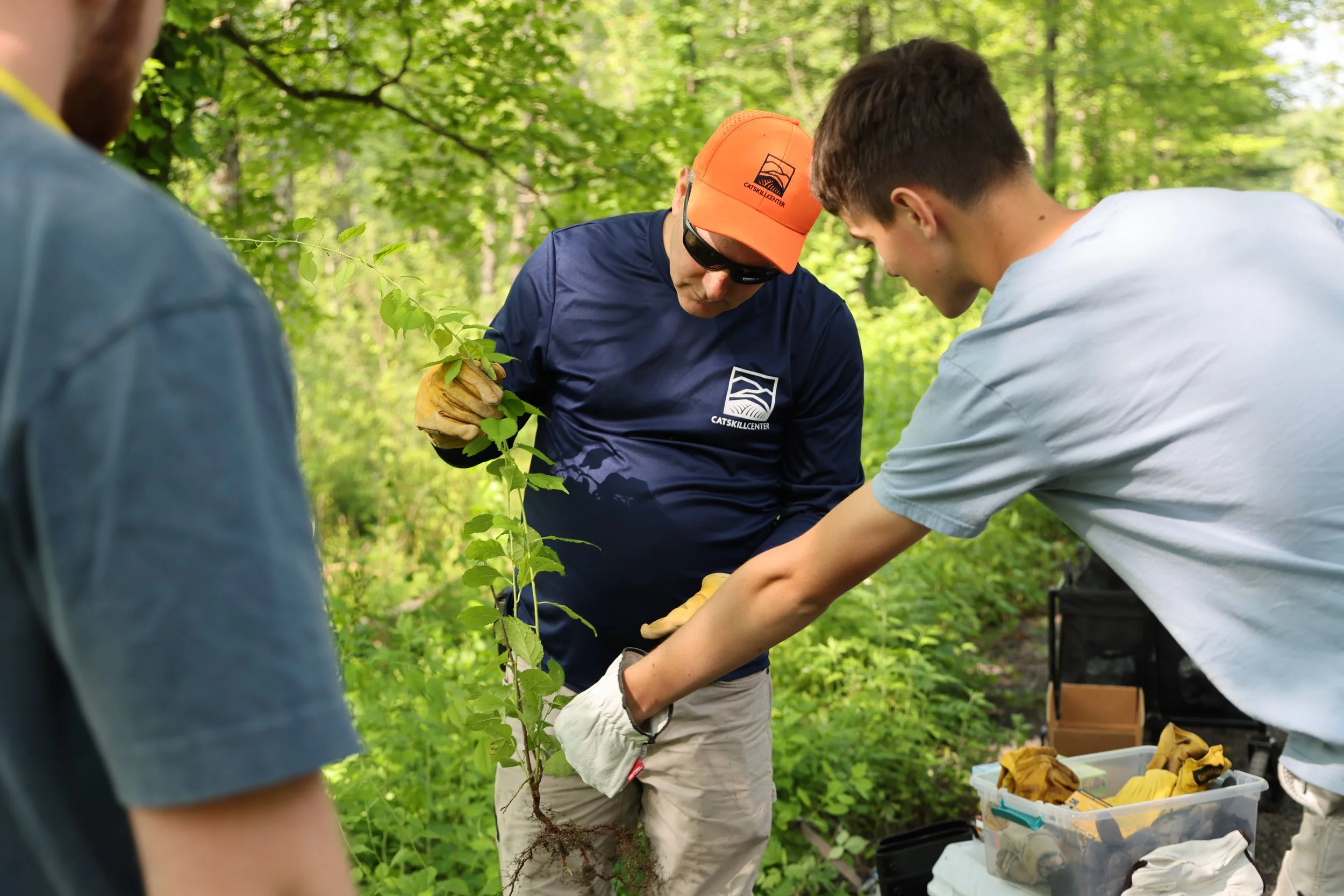
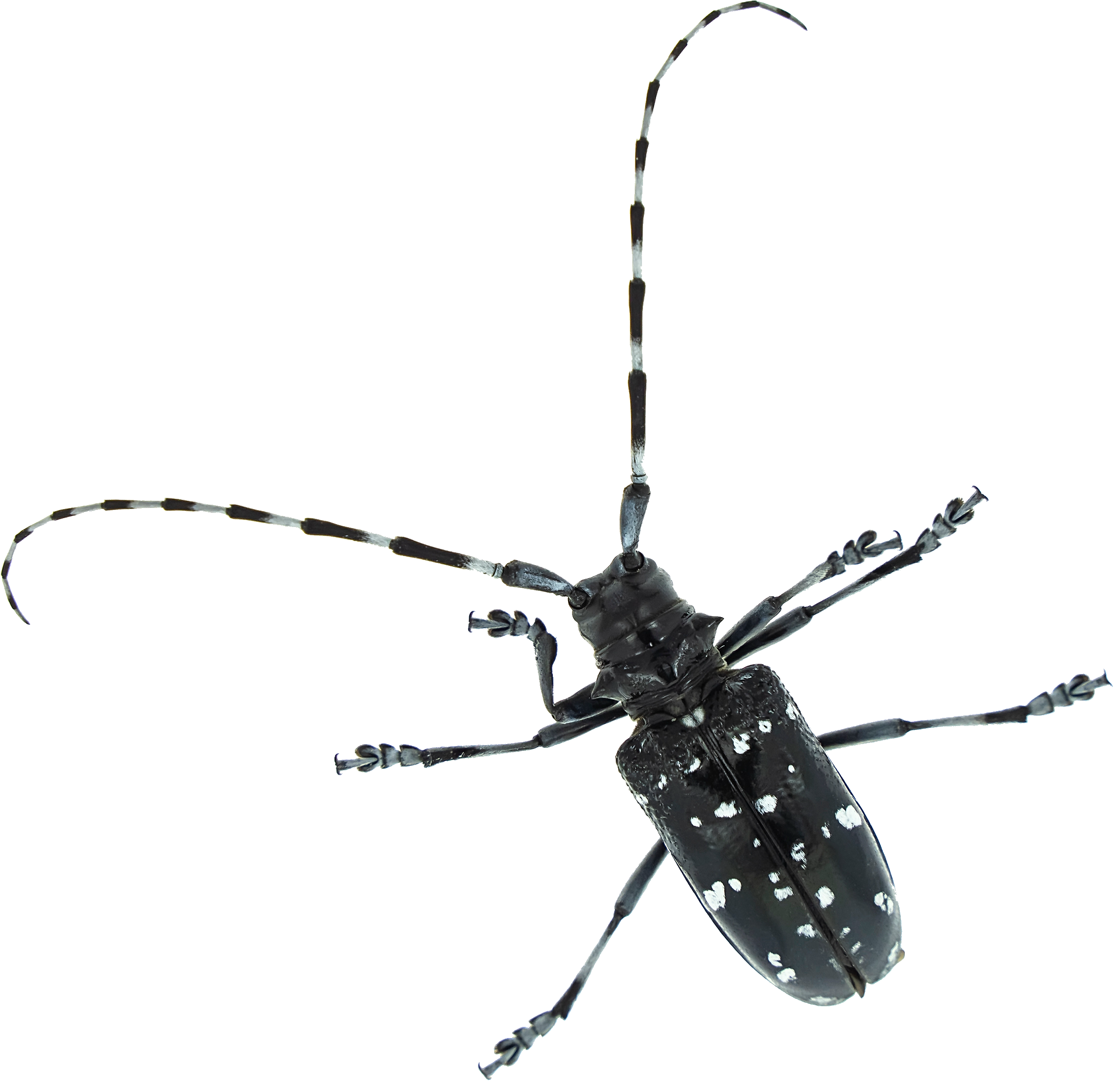
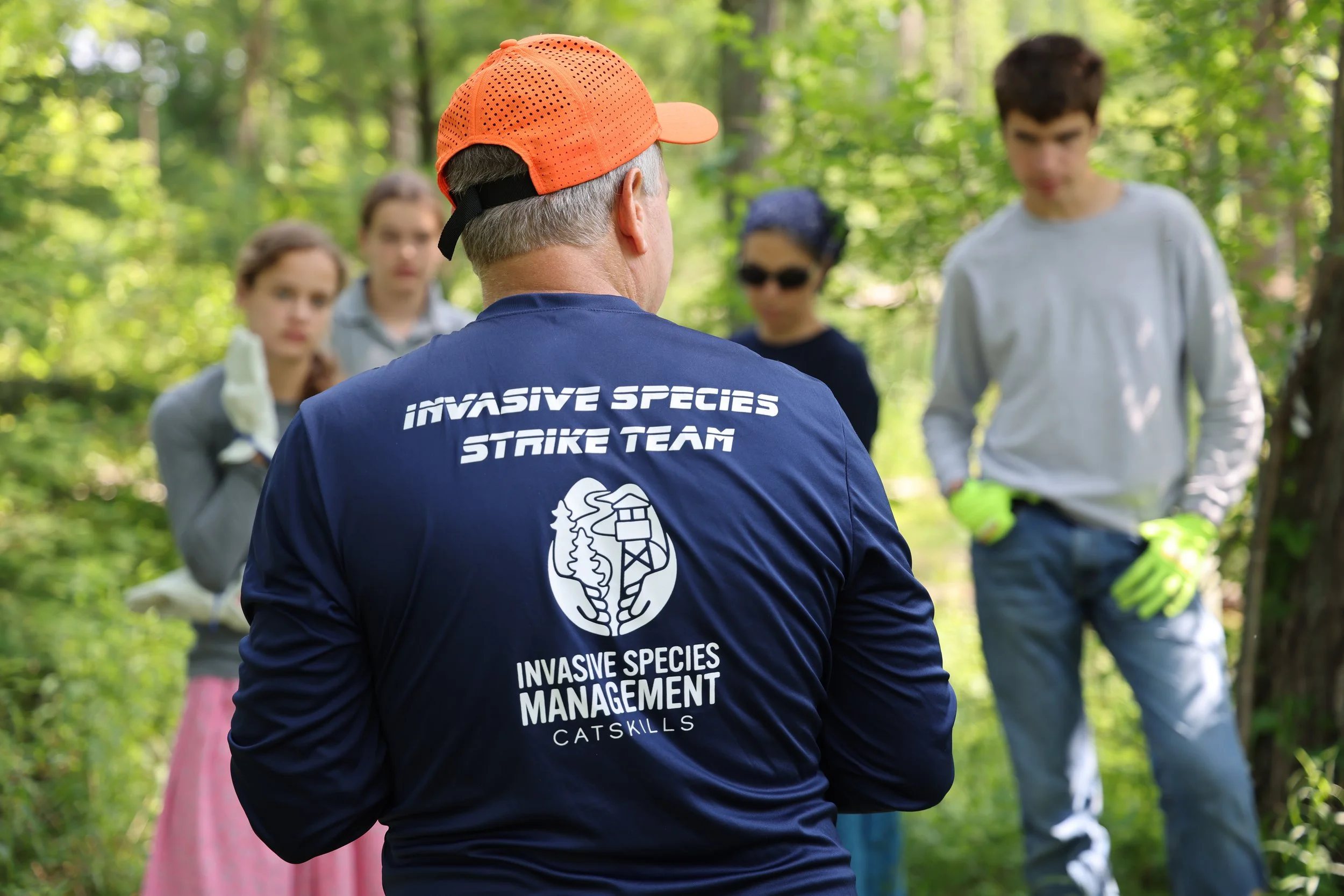
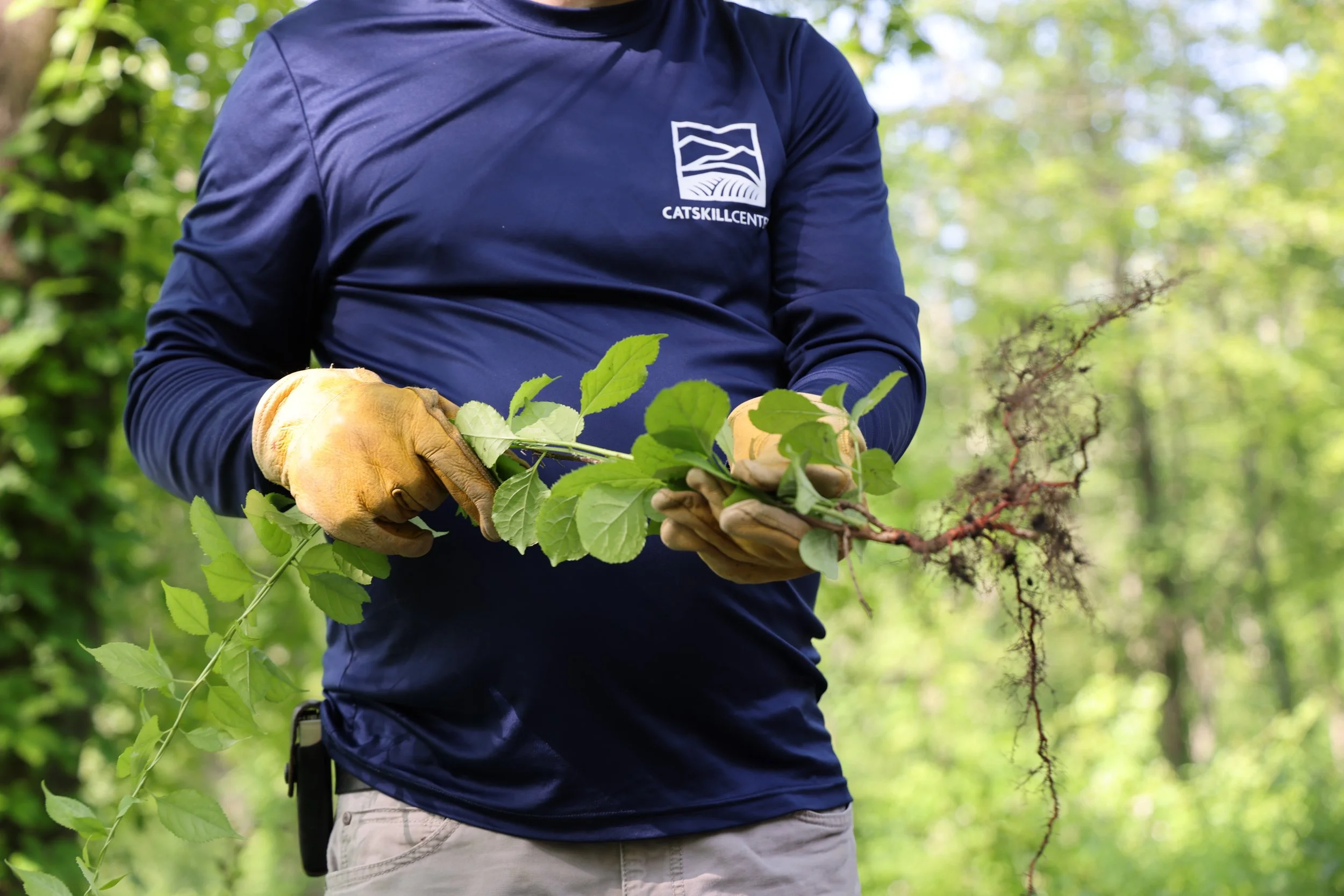
CRISP works across the region to prevent the spread of invasive species while restoring native habitat where invasives have been removed. A core part of this work is hands-on mitigation and control. CRISP’s Terrestrial Invasive Species Strike Team targets high-priority invasive plants and forest pests that impact native woodlands, stream corridors, and recreational areas. The Aquatic Invasive Species Strike Team focuses on lakes, rivers, and wetlands, removing invasive aquatic plants and helping protect water quality, fisheries, and recreational access. These teams work strategically, prioritizing areas where early action can prevent widespread damage.
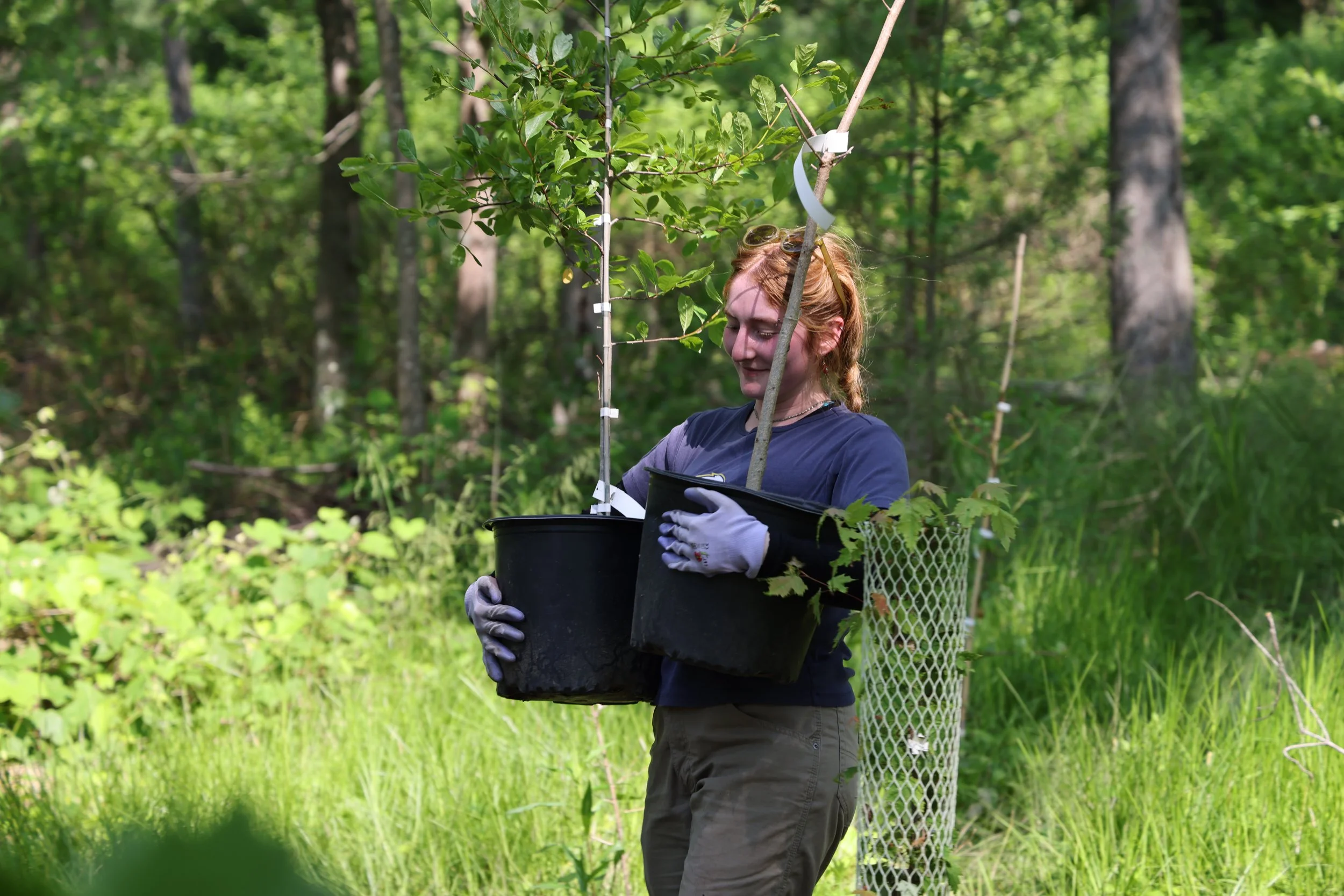
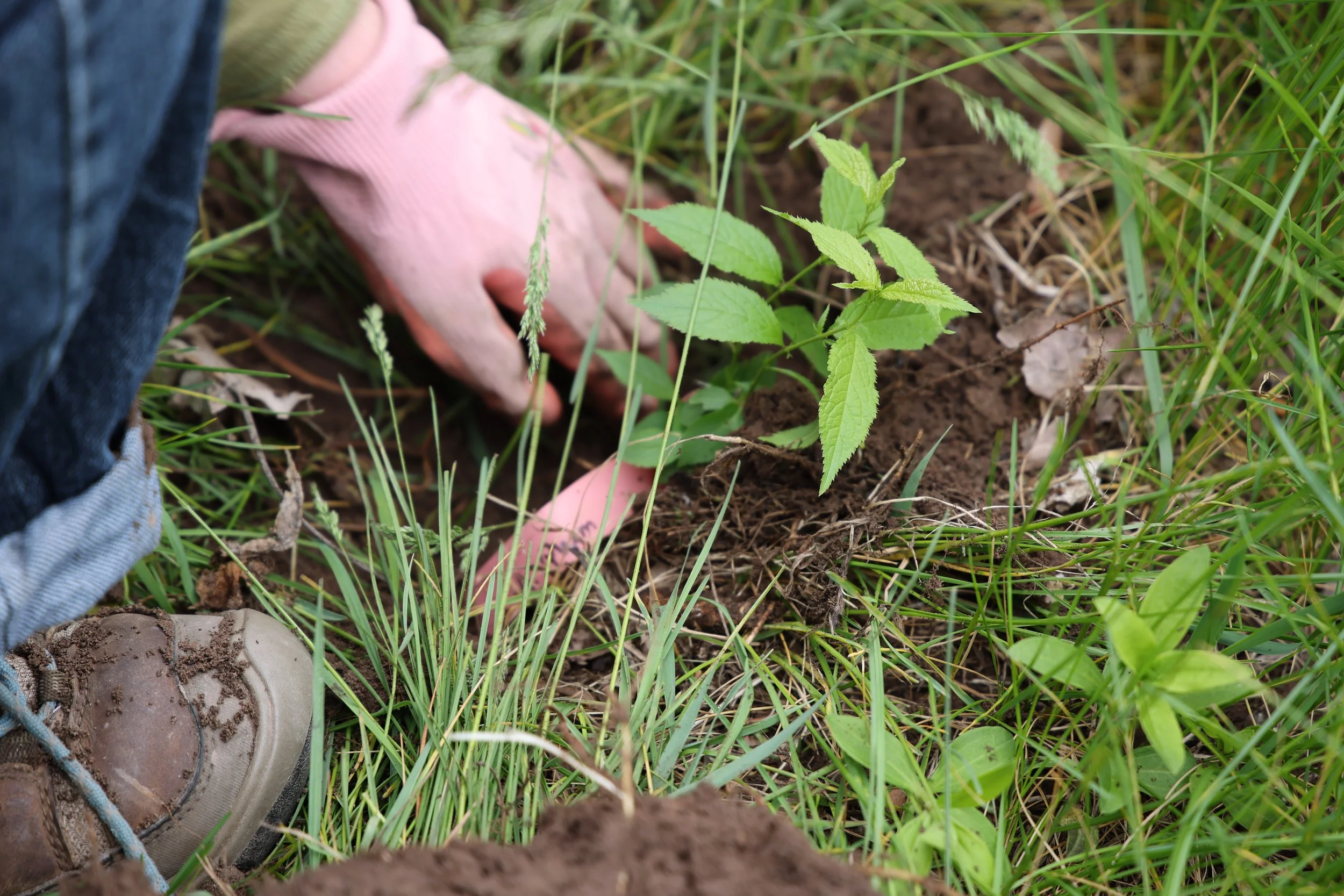
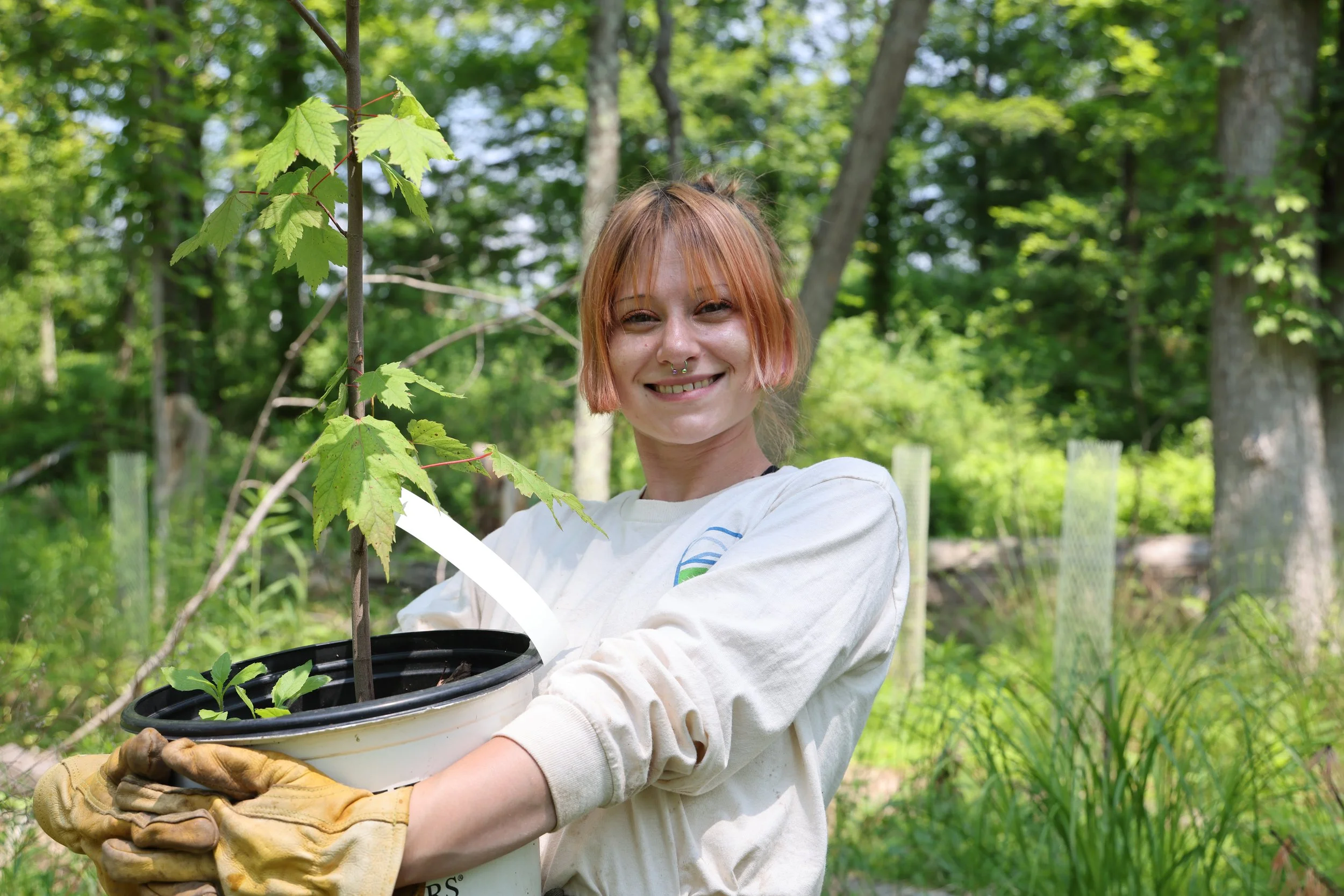
After invasive species are removed, CRISP works to reestablish native vegetation by planting trees, shrubs, and other native species that stabilize soils, support wildlife, and strengthen ecosystem resilience. This restoration work helps ensure that treated areas recover in ways that resist reinvasion and continue to provide clean water, healthy habitat, and functioning landscapes for the future.
QUESTIONS ABOUT INVASIVE SPECIES?
If you’ve spotted a plant, insect, or aquatic species that doesn’t look quite right, or you’re unsure whether something you’ve seen might be invasive, CRISP can help. Questions, photos, and reports from the public play an important role in early detection and response. Reach out to the CRISP team at invasives@catskillcenter.org, and help protect the Catskills by sharing what you’re observing on the landscape.
HOW YOU CAN HELP PREVENT THE SPREAD
Managing invasive species is a shared responsibility, and everyday actions make a difference. Below are a few ways you can help prevent the spread.
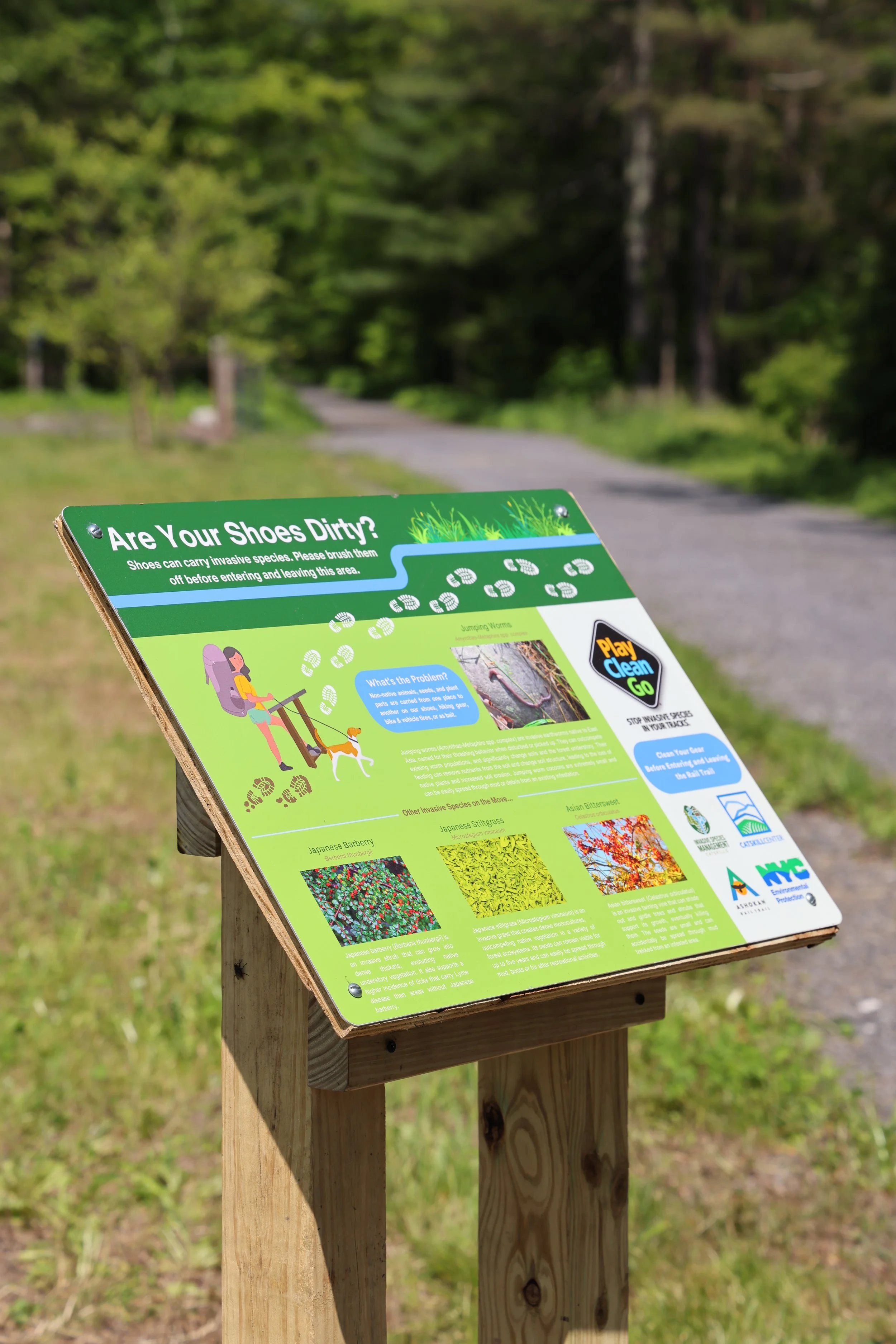
Play, Clean, Go: Many terrestrial invasive plants and insects spread by hitchhiking on boots, clothing, and gear. Before leaving a trail or natural area, remove mud, seeds, and plant material using a brush, small pick, or scissors.
Clean, Drain, Dry: Aquatic invasive species spread easily through boats, paddles, waders, and fishing gear. Always clean off plants and debris, drain motors and compartments, and allow equipment to dry completely before entering another waterbody.
Never Release Plants or Animals from Captivity: Releasing captive plants or animals can introduce invasive species or harmful pathogens into the environment.
Buy It Where You Burn It: Harmful insects and diseases spread through transported firewood. Buying firewood locally helps protect Catskills forests from pests like emerald ash borer and hemlock woolly adelgid.
Report What You See: If you encounter a suspected invasive species, report it using iMapInvasives, a free, public tool that supports community science and coordinated response across North America. Your observations help scientists and land managers respond quickly and effectively.
CRISP is one of eight Partnerships for Regional Invasive Species Management (PRISMs) in New York funded by the Environmental Protection Fund as administered by the New York State Department of Environmental Conservation.